What to Expect From Instructor Development Courses in Indonesia
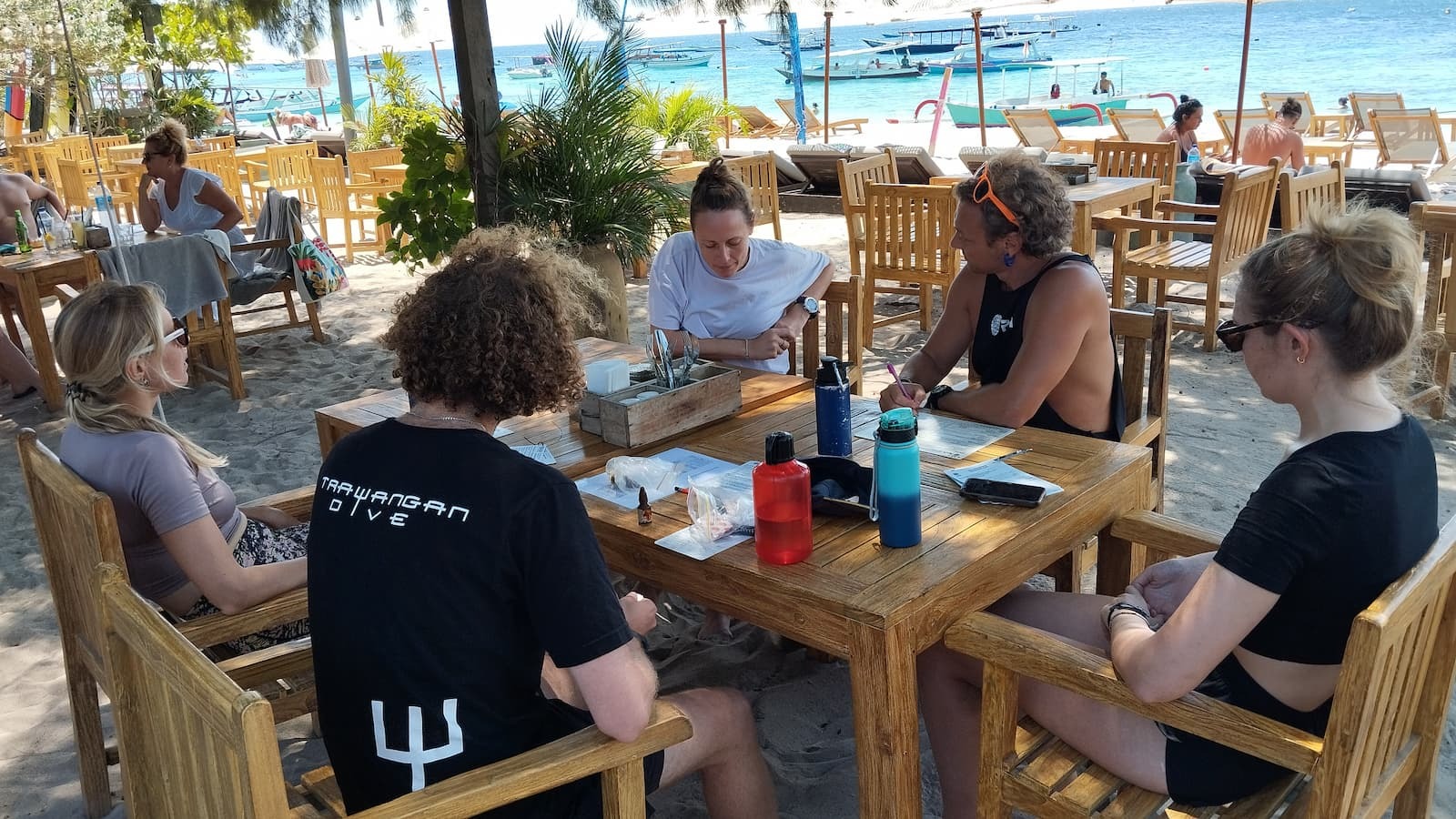
Many Divemasters consider advancing their careers in tropical destinations but are unsure what instructor training truly involves. Indonesia is recognized as one of the world’s leading dive destinations, attracting divers from across the globe. As a result, instructor-level training in the region has become increasingly popular. However, unclear expectations about course structure and performance standards can create confusion for candidates.
This article outlines what to expect from Instructor Development Courses in Indonesia. It explains the general course structure, clarifies academic and practical expectations, and highlights important preparation requirements. A realistic understanding before enrolling helps candidates plan properly, meet performance standards, and approach professional dive training with confidence and responsibility.
Overview of Instructor Development Courses
Many Divemasters believe instructor training is just a higher-level dive course. In reality, an Instructor Development Course (IDC) is a professional program designed to prepare candidates for teaching responsibility. It marks the transition from Divemaster to Instructor and focuses on developing structured teaching competence. The main goal is to prepare candidates for the Instructor Examination, where both knowledge and performance are assessed.
Purpose of Instructor Development Courses
The IDC builds professional teaching skills, leadership ability, and deeper understanding of training standards. It shifts the focus from assisting instructors to independently managing students and dive courses.
Core Components of Training
Training includes academic sessions that strengthen dive theory knowledge. Candidates complete confined water teaching practice and open water instruction scenarios. Unlike recreational training, professional-level development requires demonstration-quality skills, evaluation standards, and consistent performance under assessment conditions.
Academic and Theory Expectations
Many candidates focus heavily on water skills and forget that instructor training also demands strong academic performance. During an Instructor Development Course, dive theory knowledge is tested at a professional level. Candidates must understand not only the “how,” but also the “why” behind diving practices and safety rules.
Dive Theory Mastery
Instructor candidates must show clear understanding of physics, including pressure and buoyancy principles. Physiology knowledge is essential to explain how the body reacts underwater. Equipment systems must be understood in detail, not just assembled. Decompression theory must also be explained accurately to ensure safe dive planning and supervision.
Standards and Procedures
Professional instructors must follow strict standards and procedures. Risk management protocols are reviewed carefully. Teaching standards compliance is mandatory. Academic performance is evaluated alongside diving skills, as both are critical for safe and responsible instruction.
Practical Teaching Skill Development
Many Divemasters are comfortable assisting courses, but teaching independently requires higher precision and control. Practical teaching development is one of the most demanding parts of instructor training. Candidates are evaluated not only on skill performance, but also on clarity, safety awareness, and leadership presence.
Confined Water Teaching
In confined water sessions, candidates practice skill demonstrations at demonstration quality. Movements must be slow, clear, and easy for students to copy. Strong student control and supervision are required at all times. Evaluation criteria focus on organization, positioning, communication, and safety management.
Open Water Presentations
Open water presentations involve real student teaching practice. Candidates deliver safety briefings, manage dive flow, and demonstrate environmental awareness. Confidence and calm problem-solving are essential.
Skill Circuit Assessments
Skill circuit assessments measure demonstration quality, buoyancy precision, and professional conduct. Candidates participating in programs such as PADI IDC Indonesia should expect structured evaluation in both confined and open water environments, alongside continuous feedback from experienced course directors. Repeated practice and constructive feedback are key to steady improvement and professional growth.
Mentorship and Training Environment
Role of the Course Director
The Course Director provides guidance and coaching throughout the program. Performance evaluation is continuous, not only at the end of training. Candidates receive examination preparation support to help them meet required standards. Clear feedback and consistent direction help identify weaknesses and improve teaching quality.
Learning Environment
Training usually takes place in professional dive centers with active operations. A supportive peer group encourages teamwork and shared learning. Structured daily schedules maintain focus and discipline. Strong mentorship builds lasting instructor confidence beyond certification.
Instructor Examination Preparation
Examination Components
The examination includes theory exams that test dive knowledge. There is a confined water teaching evaluation where candidates demonstrate and teach specific skills. An open water teaching evaluation measures control, safety awareness, and student management. A standards knowledge test checks understanding of training rules and procedures.
Mock Exams and Assessments
Before the final exam, candidates complete practice presentations and mock assessments. Feedback sessions help identify areas for improvement. Preparation is designed to build true competence, not just help candidates pass the examination.
Lifestyle and Environmental Factors in Indonesia
Tropical Diving Conditions
Indonesia offers warm waters throughout most of the year. Rich marine biodiversity provides exposure to diverse underwater life. Multiple dive environments, including reefs, drift sites, and deep walls, create varied teaching scenarios. This environmental exposure helps instructors become adaptable and confident in different conditions.
Living Arrangements
Living options vary between island and mainland locations. Island life is often quieter but more compact, while mainland areas may offer more facilities. Accommodation costs and community lifestyle should be considered carefully before committing to long-term training.
Financial and Time Commitment
Course and Examination Costs
Instructor development fees are the main expense. In addition, candidates must pay for examination registration. Study materials, digital learning access, and manuals may involve extra costs. It is important to review all included and separate fees before starting the program.
Living and Equipment Expenses
Accommodation, food, and daily expenses add to the overall budget. Personal dive equipment may also be required, especially professional-level gear.
Time Investment
Most programs run as intensive multi-week courses. Pre-course preparation time is also necessary. Careful financial planning helps reduce stress and allows full focus on training.
Before starting instructor training, understand the real costs. “How Much Does It Cost to Become a Certified Dive Instructor?” explains course fees, equipment, and living expenses. It helps you avoid surprises.
Example of Instructor Training Environment
Business Name:
PADI IDC Gili Trawangan – Gili Islands – Indonesia
Address:
Main Beach Road, Gili Indah, Gili Trawangan, Kabupaten Lombok Utara, Nusa Tenggara Barat 83355
Phone:
+6282147850413
Overview:
Instructor development programs in Indonesia may operate under experienced Course Directors such as Holly Macleod, who has over 23 years of international experience and has certified approximately 3,500 instructors. Training environments such as Blue Marlin Dive provide structured academic sessions, practical teaching development, leadership training, and risk management insight to prepare candidates for professional-level certification.
Common Challenges Candidates May Face
Academic Pressure
Theory revision can feel intense. Candidates must review physics, physiology, and decompression concepts in detail. Standards memorization also requires focus and discipline to meet examination expectations.
Performance Anxiety
Teaching evaluations can create nervousness, especially during public speaking and skill demonstrations. Clear communication and calm delivery are essential under assessment conditions.
Physical Demands
Training often includes multiple dives per day and heavy equipment handling. Mental preparation, along with physical readiness, improves confidence and increases overall success rates.
Preparing for Instructor Development in Indonesia
Many Divemasters feel excited about advancing their careers but underestimate the level of preparation required. Instructor development courses demand technical control, strong academic knowledge, and clear leadership ability. Candidates must be ready to perform at professional standards, not just recreational level.
Structured programs focus heavily on teaching competence, safety awareness, and risk management. Indonesia offers strong environmental exposure and established dive training infrastructure, which supports real-world teaching experience. However, success depends on proper preparation before enrollment.